
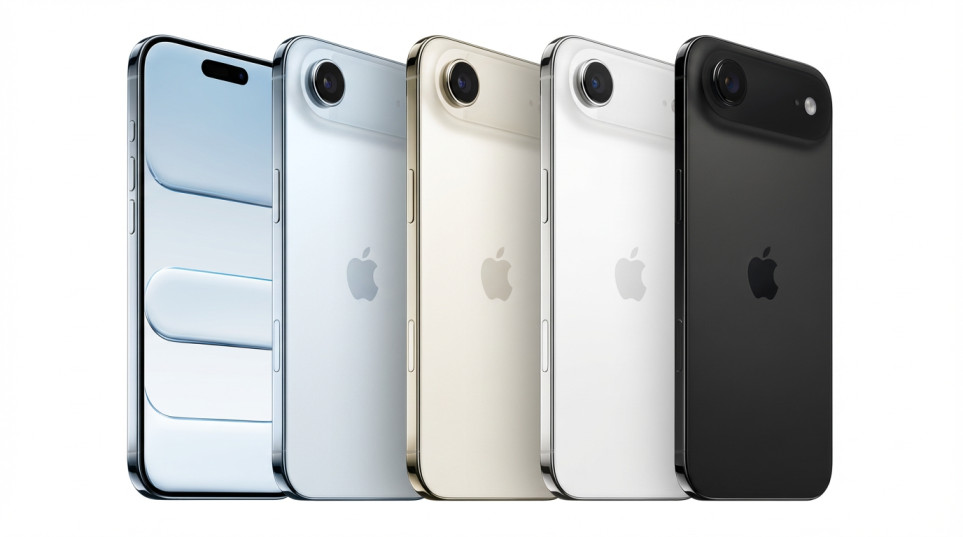
Apple launched the iPhone Air in September 2025, and it quickly became one of the most talked-about devices in the lineup. At just 5.6mm thick and weighing 165 grams, this phone represents a major shift in how Apple thinks about design. But does thinness come at a cost? Here’s what you need to know before buying.
Pricing Breakdown
| Storage Capacity | iPhone Air | iPhone 17 | iPhone 17 Pro |
|---|---|---|---|
| 256GB | $999 | $799 | $1,099 |
| 512GB | $1,199 | $999 | $1,299 |
| 1TB | $1,399 | Not available | $1,499 |
The iPhone Air sits in the middle of the lineup. You pay $200 more than the base model but get a larger display, thinner design, and ProMotion technology.
What Makes the iPhone Air Different
The iPhone Air sits between the standard iPhone 17 and the Pro models. It costs $999, which is $200 more than the base model but $100 less than the iPhone 17 Pro.
This phone replaced the Plus series. Instead of offering a larger screen at a lower price, Apple focused on creating the thinnest iPhone ever made. The result is a device that feels completely different in your hand.
Key Specifications
Here are the core specs:
| Specification | Details |
|---|---|
| Display | 6.5-inch Super Retina XDR OLED with 120Hz ProMotion |
| Chip | A19 Pro (6-core CPU, 5-core GPU) |
| Camera | Single 48MP Fusion camera with 2x optical zoom |
| Front Camera | 18MP Center Stage camera |
| Battery | Up to 27 hours of video playback |
| Storage | 256GB, 512GB, or 1TB |
| Dimensions | 5.6mm thick, 165 grams |
| Frame | Polished titanium with 80% recycled content |
| Connectivity | Wi-Fi 7, Bluetooth 6, eSIM only |
| Water Resistance | IP68 (up to 6 meters for 30 minutes) |
Design: How Thin Is Too Thin?
At 5.6mm thick, the iPhone Air is thinner than the iPhone 6, which previously held the record at 6.9mm. When you first pick it up, the thinness is striking. Many users report forgetting the phone is in their pocket because it weighs so little.
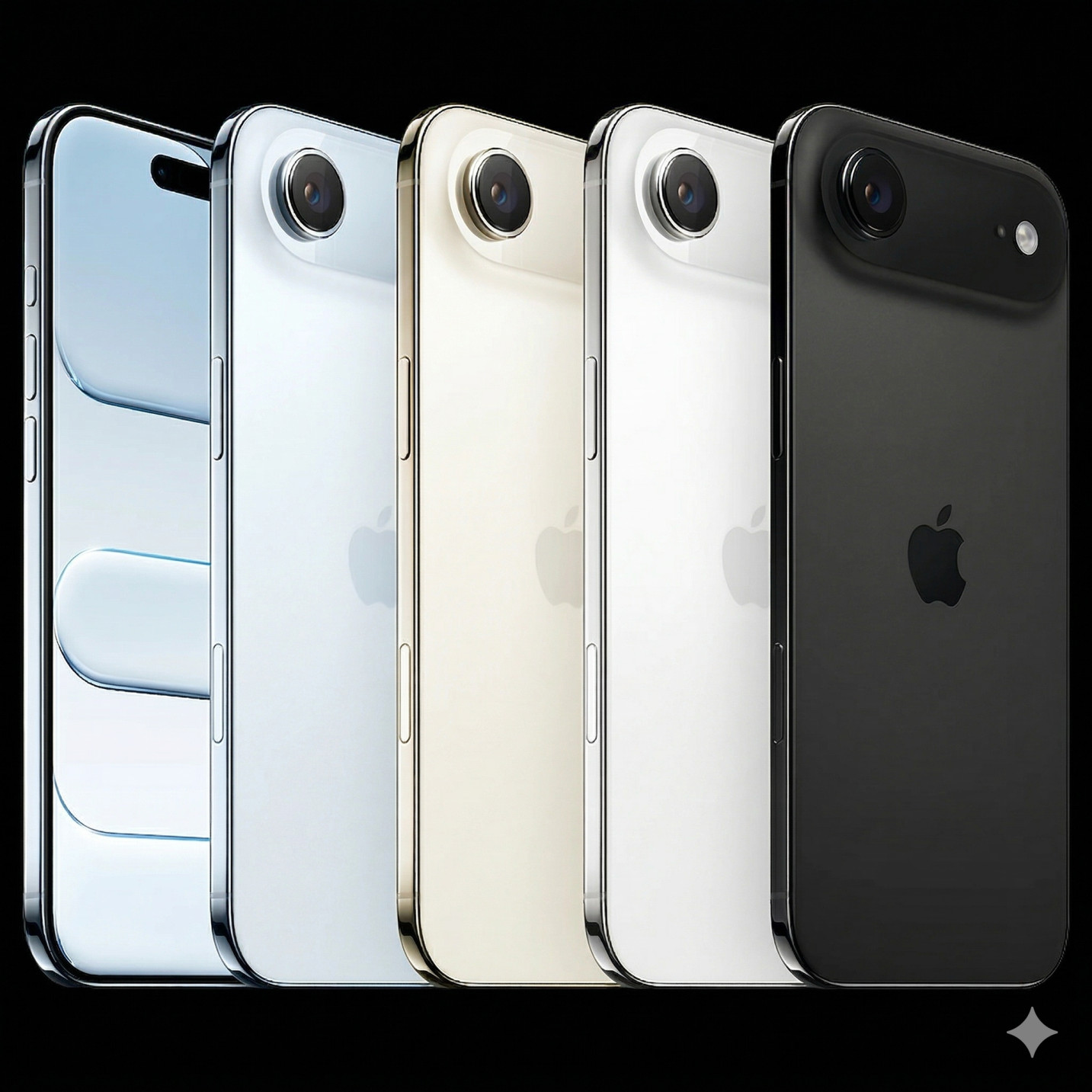
Apple achieved this by redesigning the internal architecture. Multiple technologies are packed into a plateau near the camera bump, which measures 11.3mm. This creates space for a larger battery while keeping most of the phone incredibly thin.
The titanium frame makes it surprisingly durable. Despite concerns about bending, durability tests show the phone holds up well. In one test, it took a crane to apply enough force to bend it, and even then, the display kept working.
The Ceramic Shield 2 on the front is three times more scratch-resistant than previous versions. The back glass is four times more crack-resistant. If you’re worried about durability, a case helps, but the phone is tougher than it looks.
Performance: Same Chip as the Pro
The iPhone Air runs the A19 Pro chip, the same processor found in the iPhone 17 Pro. This means you get:
- 40% faster CPU performance compared to iPhone 14 Pro
- Advanced GPU with dedicated Neural Accelerators
- Full Apple Intelligence support
- 12GB of RAM for smooth multitasking
| Benchmark Test | iPhone Air (A19 Pro) | iPhone 17 (A18) | iPhone 17 Pro (A19 Pro) |
|---|---|---|---|
| Single-Core CPU | 3,427 | 3,015 | 3,431 |
| Multi-Core CPU | 8,492 | 7,218 | 8,501 |
| GPU Performance | 32,845 | 26,732 | 32,890 |
| RAM | 12GB | 8GB | 12GB |
| Neural Engine | 38 TOPS | 35 TOPS | 38 TOPS |
Gaming performance is strong. The A19 Pro handles demanding AAA games without throttling. The phone stays cool during extended use, though it lacks the vapor chamber cooling system found in the Pro models.
For everyday tasks like browsing, messaging, and social media, performance is indistinguishable from the iPhone 17 Pro. The difference only shows up in specific scenarios like extended 4K video recording or heavy photo editing.
Camera: The Biggest Compromise
This is where the iPhone Air makes its biggest trade-off. You get a single 48MP Fusion camera instead of the triple-camera system on the Pro.
| Feature | iPhone Air | iPhone 17 Pro |
|---|---|---|
| Main Camera | 48MP Fusion | 48MP Main |
| Ultra-wide | None | 48MP Ultra-wide |
| Telephoto | 2x optical-quality | 4x and 8x optical |
| Macro Mode | No | Yes |
| ProRAW | No | Yes |
| Video Recording | 4K at 60fps | 4K at 120fps |
| Spatial Photos | No | Yes |
| Night Mode | Yes | Yes (improved) |
| Portrait Mode | Yes | Yes (advanced) |
The single camera takes excellent photos in good light. Colors are accurate, detail is sharp, and the computational photography features work well. Low-light performance is solid, though the lack of an ultra-wide lens means you’re limited in tight spaces.
For most people, this camera is enough. One user analyzed 120,000 photos in their library and found they used the ultra-wide or telephoto lens less than 5% of the time. If you fall into that majority, you won’t miss the extra cameras.
Battery Life: Good But Not Great
Apple rates the iPhone Air at 27 hours of video playback. That matches last year’s iPhone 16 Pro, but falls short of the iPhone 17 Pro’s 33 hours.
| Battery Feature | iPhone Air | iPhone 17 | iPhone 17 Pro |
|---|---|---|---|
| Video Playback | 27 hours | 26 hours | 33 hours |
| Audio Playback | 100 hours | 95 hours | 105 hours |
| Streaming | 22 hours | 21 hours | 28 hours |
| Fast Charging | 50% in 30 min | 50% in 30 min | 50% in 30 min |
| MagSafe Charging | 15W | 15W | 15W |
| Wireless Charging | Yes (Qi2) | Yes (Qi2) | Yes (Qi2) |
In real-world use, the phone lasts a full day with moderate to heavy use. If you’re a power user, you might need a top-up in the evening. Fast charging reaches 50% in about 30 minutes with a 20W adapter.
Apple offers a $99 MagSafe battery pack that clips to the back and extends video playback to 40 hours. This adds thickness and weight, which somewhat defeats the purpose of buying the Air in the first place.
If battery life is your top priority, the iPhone 17 Pro is a better choice. But for most users who charge their phone overnight, the Air’s battery is adequate.
Who Should Buy the iPhone Air
| Your Priority | Recommended Choice | Why |
|---|---|---|
| Lightest phone | iPhone Air | 41g lighter than Pro |
| Best camera | iPhone 17 Pro | Triple camera system with 8x zoom |
| Longest battery | iPhone 17 Pro | 33 hours vs 27 hours |
| Largest screen under $1,100 | iPhone Air | 6.5-inch display |
| Best value | iPhone 17 | Costs $200 less, good performance |
| Premium design | iPhone Air | Titanium frame, 5.6mm thin |
| Content creation | iPhone 17 Pro | ProRAW, spatial video, 4K 120fps |
This phone is ideal for:
- People who want a premium iPhone without paying for Pro features they won’t use
- Anyone who values portability and lightweight design
- Users who take photos in good lighting and don’t need multiple lenses
- Those upgrading from older iPhones (14 and earlier) who want modern features
Skip the iPhone Air if you:
- Need the longest possible battery life
- Regularly use telephoto or ultra-wide lenses
- Do intensive mobile gaming or video editing
- Want the absolute best camera system
iPhone Air vs iPhone 17 Pro: Quick Comparison
| Feature | iPhone Air | iPhone 17 Pro | Difference |
|---|---|---|---|
| Price (256GB) | $999 | $1,099 | $100 more for Pro |
| Thickness | 5.6mm | 8.75mm | Air is 36% thinner |
| Weight | 165g | 206g | Air is 41g lighter |
| Display Size | 6.5-inch | 6.3-inch | Air has larger screen |
| Frame Material | Titanium | Aluminum unibody | Different premium materials |
| Camera System | Single 48MP | Triple 48MP | Pro has 2 extra lenses |
| Zoom Range | 2x optical | Up to 8x optical | Pro has 4x more zoom |
| Battery Life | 27 hours video | 33 hours video | Pro lasts 6 hours longer |
| Cooling System | Standard | Vapor chamber | Pro has better thermal management |
| Storage Options | 256GB, 512GB, 1TB | 256GB, 512GB, 1TB, 2TB | Pro has 2TB option |
For just $100 more, the Pro gives you better battery life, more cameras, and vapor chamber cooling. But the Air gives you a larger display, lighter weight, and a distinctive design.
Sales Performance and Market Reception
Initial reports suggested the iPhone Air was struggling with sales. By November 2025, some suppliers had stopped production. Apple reportedly delayed the iPhone Air 2 launch due to poor performance.
However, newer data tells a different story. According to network testing from Ookla in March 2026, the iPhone Air captured 6.8% of active iPhone 17 devices. That’s more than double the 2.9% share the iPhone 16 Plus achieved in its generation.
The Air is pulling sales primarily from the standard iPhone 17 Pro, not from the Pro Max. This suggests buyers prefer the Air’s design and larger screen over the standard Pro’s features.
| iPhone Model | Market Share (iPhone 17 Generation) | Comparison to Previous Gen |
|---|---|---|
| iPhone Air | 6.8% | 2.3x better than iPhone 16 Plus (2.9%) |
| iPhone 17 | 28.4% | Similar to iPhone 16 baseline |
| iPhone 17 Pro | 31.2% | Slightly lower than expected |
| iPhone 17 Pro Max | 33.6% | Highest demand in lineup |
Regional trends show strong adoption in South Korea and Japan, where design and form factor drive purchasing decisions. The U.S. market shows more variety in preferences across the lineup.
What’s Next: iPhone Air 2 Rumors
Apple is working on a second-generation iPhone Air, though the launch timeline is unclear. Early rumors pointed to fall 2026, but delays pushed it to possibly spring 2027.
Expected improvements:
- Second rear camera (possibly 48MP ultra-wide)
- Larger battery capacity
- Lighter weight
- Vapor chamber cooling
- Potential price adjustment
The key question is whether Apple will add a second camera. This would address the Air’s biggest weakness, but fitting another lens into the thin body presents engineering challenges.
Some reports suggest Apple might stick with the single-camera design and focus on improving battery life and cooling instead. Nothing is confirmed yet.
Should You Wait for the Next Model?
If you want an iPhone Air, there’s no compelling reason to wait. The current model delivers solid performance, and the next version is at least a year away.
The improvements rumored for iPhone Air 2 are incremental, not transformational. If you need a phone now and the current Air meets your needs, buy it. If you’re locked into a contract or happy with your current phone, waiting makes sense.
Final Thoughts: Is the iPhone Air Worth It?
The iPhone Air succeeds at what it set out to do: create the thinnest, lightest premium iPhone. The design is striking, performance is strong, and for many users, the camera is perfectly adequate.
The $999 price positions it awkwardly close to the $1,099 Pro. That $100 difference buys you significantly more capability. But if you value design, portability, and a larger screen over extra cameras and battery life, the Air delivers.
This phone works best for people who want a modern iPhone without paying for professional features they won’t use. It’s not for everyone, but for those it fits, it’s the most distinctive iPhone Apple makes.
The iPhone Air proves thinness and performance can coexist. Whether that trade-off works for you depends on how you use your phone. Pick it up in a store if you can. The experience of holding something this thin and light is hard to convey in words.